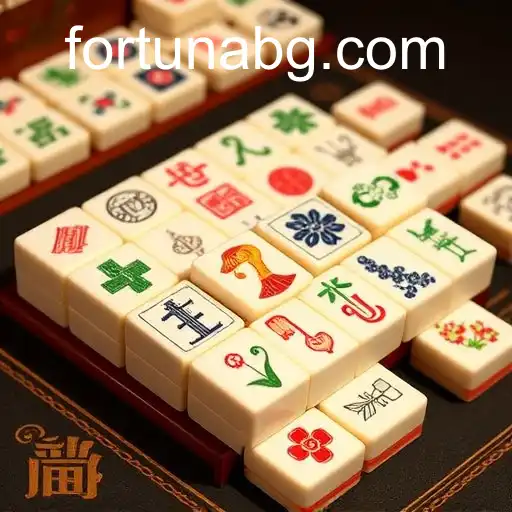
The Timeless Game of Mahjong: An In-Depth Look
Introduction to Mahjong
Mahjong, a classic tile-based game that originated in China, has captured the interest of players worldwide. With its rich history and deep strategic elements, Mahjong continues to be a favorite pastime. This game combines skill, strategy, and a small element of chance, making it appealing to players around the world.
The Origins of Mahjong
The origins of Mahjong are somewhat shrouded in mystery, but it is generally agreed upon that the game was developed during the Qing dynasty. Stories and myths abound, with some attributing its creation to Confucius, while others suggest it evolved from earlier card games. Despite its uncertain beginnings, Mahjong has become synonymous with Chinese culture.
Initially, Mahjong was popularized among the Chinese elite before spreading to the masses and eventually to players across the globe. It became especially popular in the West during the early 20th century when it was brought to America by Chinese immigrants.
Understanding the Basics of Mahjong
Mahjong is traditionally played with 144 tiles based on Chinese characters and symbols, although regional variants may differ slightly. A standard set includes three suits—Dots, Bamboo, and Characters—as well as Wind, Dragon, and Flower tiles. The objective is to build a complete hand by drawing and discarding tiles.
Key Components of Mahjong
- Tiles: The tiles in Mahjong are the defining feature of the game. Players need to understand each tile's role, including suits, honors, and bonus tiles.
- Hands: As players draw and discard tiles, they aim to form specific combinations or hands. The first player to achieve a valid hand declares 'Mahjong' and wins the round.
- Wind and Dragon Tiles: These unique tiles, along with the suits, play a crucial role in scoring and strategy. Mastery over these is essential for advanced Mahjong play.
Varieties of Mahjong
Mahjong has evolved into numerous variants, each with distinct rules and strategies. Some of the most popular variations include:
- Hong Kong Mahjong: This is perhaps the most widely played version, known for its straightforward rules and emphasis on speed and memory.
- Japanese Mahjong (Riichi Mahjong): This introduces the concept of dora (bonus tiles) and a call for a ready hand, adding layers of complexity and surprise.
- American Mahjong: Also known as Mah Jongg, this variant incorporates a card that dictates winning hands and involves mechanics like the Charleston, a tile exchange process at the start of the game.
The Role of Strategy in Mahjong
The strategic depth of Mahjong is what makes it so compelling. As players transition from beginners to advanced, they develop a keen understanding of probability, psychology, and forward-thinking:
- Tile Efficiency: Expert players meticulously plan their hands, maximizing their chances of drawing a winning tile.
- Reading Opponents: Being able to guess what other players might be forming based on their discards is a critical skill.
- Adaptive Plans: Seasoned players can swiftly adjust strategies based on the flow of the game and opponents’ behavior.
Playing Mahjong Online
With the rise of digitalization, Mahjong has become accessible worldwide through online platforms. Websites like 350bet.bet offer players the opportunity to engage in this classic game, hone their skills, and compete with others globally. Online play introduces convenient features, such as instant tile shuffling, automated scoring, and the ability to play at any time.
Impact of Mahjong on Culture
Beyond the fascination of the game itself, Mahjong holds cultural significance in societies worldwide. In China, it is often seen as a family bonding activity and a means of social interaction. In Western cultures, Mahjong has broken barriers, bringing together diverse groups of people intrigued by its complex mechanics and cultural roots.
The competitive Mahjong community continues to grow, with tournaments worldwide that celebrate the skills and strategies of top players. Such events highlight the global appeal and enduring legacy of Mahjong.
Conclusion
Mahjong is much more than a game; it is a cultural phenomenon that has stood the test of time. Its intricate blend of skill, luck, and strategy captivates millions, keeping the game as relevant today as it has been for over a century. Whether played casually at home or competitively in international tournaments, Mahjong remains a beloved pastime that bridges generations and cultures. For enthusiasts looking to engage with this fascinating game, platforms like 350bet.bet provide an excellent starting point.